


For students pursuing A-levels while considering US university applications, understanding how these British qualifications translate across the Atlantic is crucial. The A-levels curriculum, renowned for its academic rigor, provides excellent preparation for American higher education when strategically planned. According to the UCAS system, over 850 US universities actively accept A-level qualifications, including all Ivy League institutions.
The Academic Alignment Between A-levels and US College Expectations
American admissions officers value A-levels for their depth of study in chosen subjects. Unlike the broader AP system, A-levels allow specialization in 3-4 subjects during the final two years of secondary education. This concentration:
- Develops advanced analytical skills valued in US seminars
- Provides university-level subject knowledge
- Demonstrates capacity for intensive study

Credit Transfer Policies for A-level Students
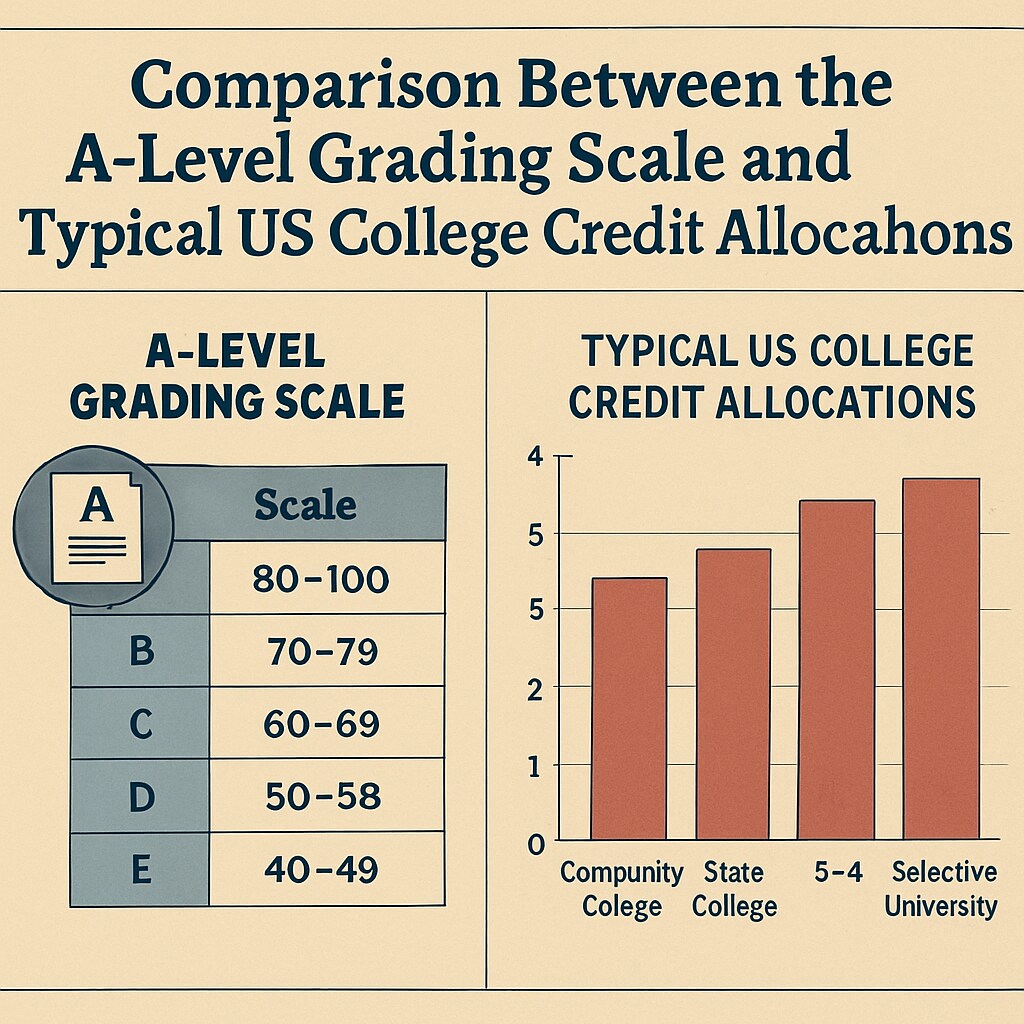
Many US colleges offer advanced standing for strong A-level results. The National Association for College Admission Counseling reports that:
- A* grades often translate to 8-10 college credits
- Science A-levels frequently fulfill general education requirements
- Mathematics results may place students into higher-level courses
However, policies vary significantly between institutions. Stanford University, for example, typically awards more credits for A-levels than public state universities. Therefore, students should research each target school’s specific policies early in their application process.
Strategic planning tip: Combining complementary A-level subjects (e.g., Mathematics, Physics, and Economics) creates a compelling academic profile for competitive US programs. This approach demonstrates both specialization and intellectual breadth – qualities highly prized by American liberal arts colleges.

