



For many parents in Ontario, the school system can feel complicated, especially when decisions seem to happen far beyond the classroom. You may hear terms like school board, district, or trustees, but it’s not always clear what they actually mean for your child’s day-to-day learning.
Understanding how Ontario’s school districts work helps parents make sense of school policies, academic expectations, and available support. More importantly, it gives you clarity on who makes decisions and where parents fit into the picture.
How Ontario’s Public Education System Is Organized
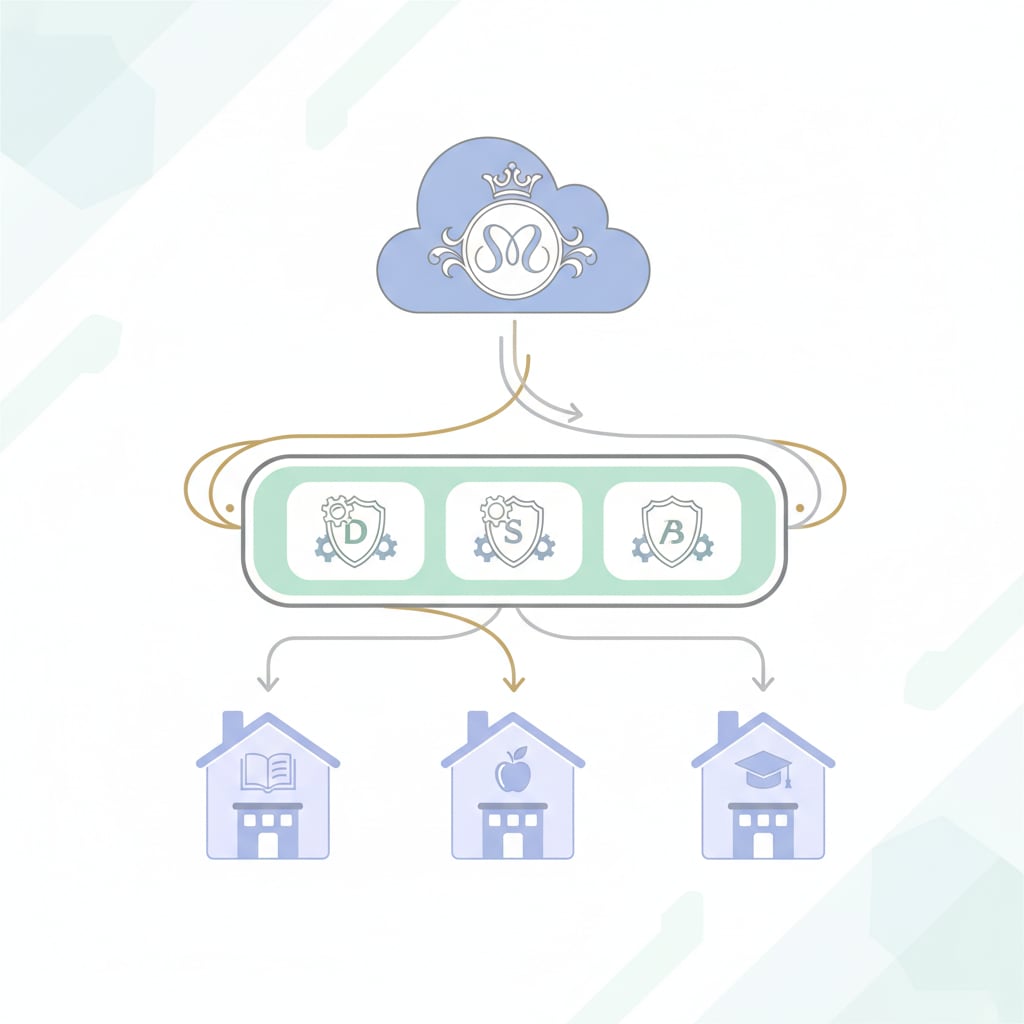
Ontario’s public education system follows a clear structure, with responsibilities shared between the province and local school boards.
At the top is the Ontario Ministry of Education, which sets curriculum standards, graduation requirements, and overall education policy across the province.
Local delivery is handled by district school boards, each responsible for schools within a defined geographic area. Individual schools then manage daily teaching, student support, and communication with families.
This system ensures consistency across Ontario while allowing boards to respond to the needs of their local communities.
What Do Ontario School Boards Do?
School boards play a direct role in shaping students’ school experiences. While they do not design the curriculum themselves, they decide how it is implemented locally.
Their responsibilities typically include:
- Allocating budgets and resources to schools
- Managing student transportation and facilities
- Overseeing special education and learning support services
- Hiring teachers and supporting professional development
- Setting local policies related to assessment, well-being, and technology use
Each board is governed by elected trustees, meaning parents and community members help influence local education decisions through elections and public meetings.
Ontario has four types of publicly funded boards:
- English Public
- English Catholic
- French Public
- French Catholic
This structure provides families with language and faith-based options while maintaining shared academic standards.

How School Board Decisions Affect Your Child
Although the curriculum is set provincially, school boards determine how learning priorities show up in classrooms. This can affect:
- The timing and emphasis of certain subjects
- Availability of learning supports and enrichment programs
- Class size strategies and resource allocation
- Policies around assessment, homework, and student well-being
For example, boards publish annual plans that outline their focus areas and long-term goals. Reviewing documents from boards such as the Toronto District School Board can help parents understand what their local schools are prioritizing in a given year.
These decisions shape not only academics, but also the overall learning environment students experience.
How Parents Can Engage With Their School Board
Parents don’t need to be education experts to stay involved. Even basic awareness can make school communication clearer and more productive.
Ways parents commonly engage include:
- Attending school board or trustee meetings (often available online)
- Participating in school councils or parent advisory groups
- Reviewing board policies when questions arise
- Following board updates, newsletters, or public reports
For province-wide data on student achievement, families can also refer to reports from the Education Quality and Accountability Office, which provide insight into system-wide trends.
Staying informed helps parents ask clearer questions and better support learning at home.
Why Understanding School Boards Matters
School boards may seem distant from daily classroom life, but their decisions influence the resources, support systems, and priorities that shape students’ learning experiences. When parents understand how these systems work, they are better prepared to navigate school communication and advocate for their children when needed.
Understanding Ontario’s school districts helps parents make sense of how education decisions are made beyond the classroom. While school boards shape policies and structure, each child’s learning experience can still vary widely within the same system.
Staying informed gives parents clarity—not just about how schools work, but about when additional insight or support may be helpful.
About Think Academy
Think Academy, part of TAL Education Group, we support students across public and private school systems through school-aligned math learning, math competition preparation, and math-focused academic planning. Our work includes in-school math support, enrichment for students preparing for competitions, and longer-term planning that uses math as a foundation for academic advancement.
We also share education-focused resources to help families better understand math learning across different school pathways. If you are intersted, you can explore dedicated content on public school math learning and private school pathways, including how math instruction, expectations, and academic planning may differ across systems.
For families who want additional context on their child’s current level, we also provide a free online math evaluation and a free trial class options, which are presented as optional tools for understanding learning progress and instructional approach.
In addition, Think Academy offers parent-friendly learning materials and guides that families can use at home. Check our resources hub which is intended to support informed decision-making rather than prescribe a specific learning path.
Explore more insights on education and learning on the Think Academy Blog, or subscribe to our newsletter for weekly updates and resources.
Sources
[Ontario Ministry of Education](https://www.ontario.ca/page/ministry-education)
[Toronto District School Board](https://www.tdsb.on.ca/)
[Education Quality and Accountability Office (EQAO)](https://www.eqao.com/)
[Public education in Canada](https://www.britannica.com/topic/education/Canada#ref235650)
[School board](https://www.wikipedia.org/wiki/School_board)

