As parents, we often observe our children’s boundless energy, but sometimes that energy can make it challenging for them to settle down and concentrate. If you’ve ever found yourself wondering how to help your child with improving focus and concentration, you’re not alone. This guide offers practical, evidence-based strategies tailored for children aged 4-12, addressing common concerns parents have about their child’s attention span and learning habits. We aim to equip you with actionable insights that foster better attention and deeper learning at home.
Understanding Your Child’s Attention
A child’s ability to focus is a fundamental skill that underpins all learning. However, attention spans naturally vary greatly with age and individual development. For instance, a 5-year-old might focus intently for 10-15 minutes, whereas a 10-year-old might sustain attention for 20-30 minutes on a task they find engaging. Understanding these developmental milestones helps set realistic expectations for your child’s concentration levels.
Many factors can influence a child’s ability to concentrate, including sleep, nutrition, and physical activity. A balanced diet, adequate rest, and regular movement are foundational for cognitive function (mental processes involved in thinking, learning, and remembering). Furthermore, a child’s environment, including noise levels and clutter, significantly impacts their capacity for sustained attention.

Practical Strategies for Boosting Focus
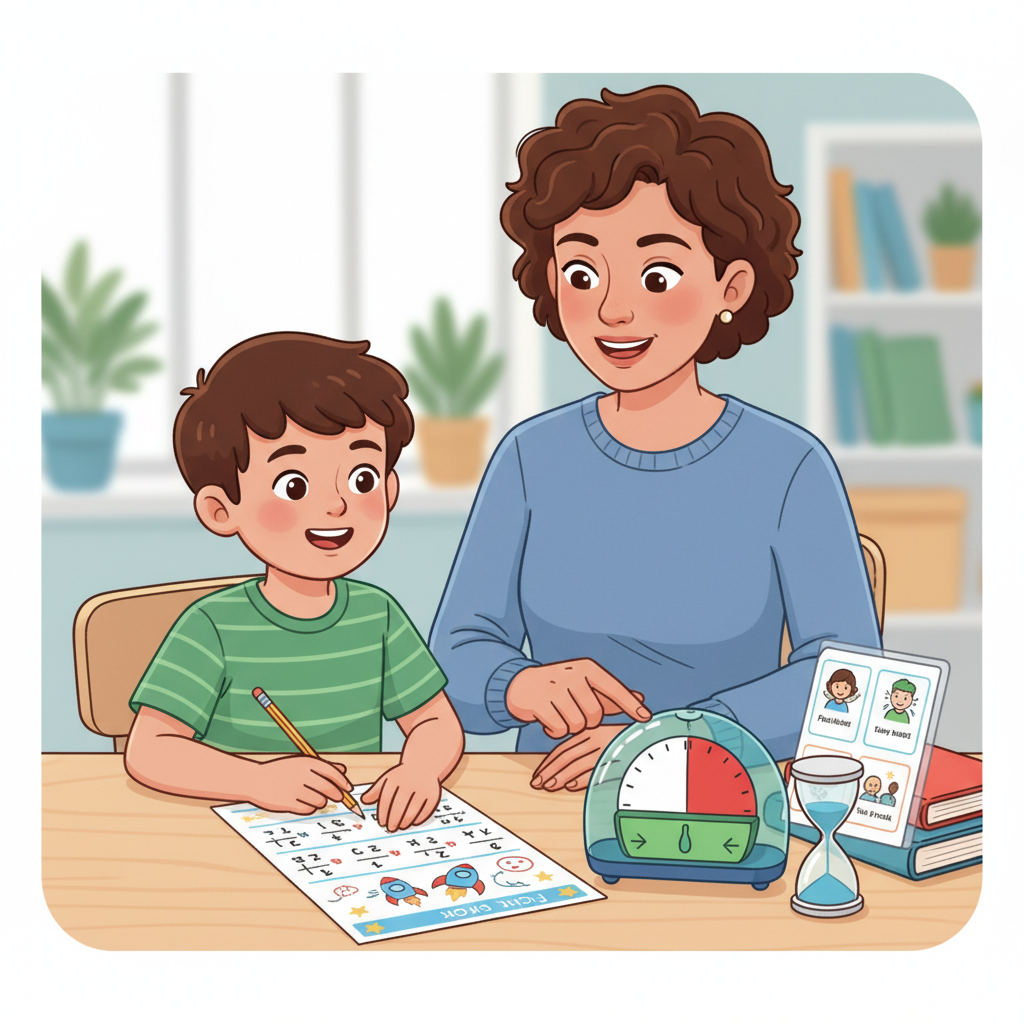
Creating a conducive learning environment is often the first step. Designate a specific, quiet space for homework or focused activities, minimizing distractions like screens or loud noises. Establishing a consistent daily routine can also provide children with a sense of predictability and structure, which often aids in improving focus. For example, scheduling homework time around the same hour each day helps build a habit of concentration.
Incorporating “brain breaks” into study sessions is incredibly effective. These short pauses, perhaps 5-10 minutes of physical activity or creative play, allow the mind to reset and can significantly improve subsequent focus. Additionally, teaching active listening skills, such as making eye contact and repeating instructions, can help children engage more deeply with information. Encouraging mindfulness practices, like simple breathing exercises, can also enhance their ability to stay present and attentive.
Utilizing educational tools can make learning more engaging and help sustain attention. For younger children, interactive apps that involve problem-solving or memory games can be beneficial. For older children, digital timers or “focus apps” like Forest App can gamify the process of staying on task, rewarding periods of uninterrupted work. Furthermore, resources like Think Academy Resources Hub offer structured lessons and practice that can help maintain engagement through varied learning formats.. These tools transform potentially tedious tasks into more interactive experiences, which naturally boosts concentration.
Trusted Resources for Parents
When seeking reliable information on child development and learning, reputable sources are key. For general healthy habits and child well-being, the Canadian Paediatric Society’s Caring for Kids website offers excellent, evidence-based advice. Educational institutions and government bodies often provide guidelines and resources that can help parents understand how to best support their children’s learning journey. Always ensure the information you consult is current and specifically tailored to child development.
Cultivating Lasting Focus
Helping your child with improving focus and concentration is an ongoing journey that requires patience, consistency, and a supportive environment. By implementing practical strategies, fostering healthy habits, and utilizing appropriate tools, you empower your child to develop vital cognitive skills. Remember, every small step towards better attention builds a stronger foundation for their academic success and overall well-being. Continue to observe your child, adapt these strategies as needed, and celebrate their progress along the way.
About Think Academy
Think Academy, part of TAL Education Group, helps K–12 students succeed in school today by building strong math foundations and critical thinking skills. At the same time, we focus on the bigger picture—developing learning ability, curiosity, and healthy study habits that inspire a lifelong love of learning.
Want more insights into math learning and parenting? Subscribe to our newsletter for weekly tips and the latest resources.
Take our free Math Evaluation to find your child’s strengths and learning needs.