


Boredom in classrooms is a growing concern globally, as highlighted by cross-national research on student boredom in K12 education. This phenomenon affects learners across age groups, educational systems, and cultures, raising questions about the factors contributing to disengagement and how educators can create more stimulating learning environments. By examining the causes, impacts, and solutions, we aim to provide insights that can transform classrooms worldwide.
Understanding the Causes of Student Boredom
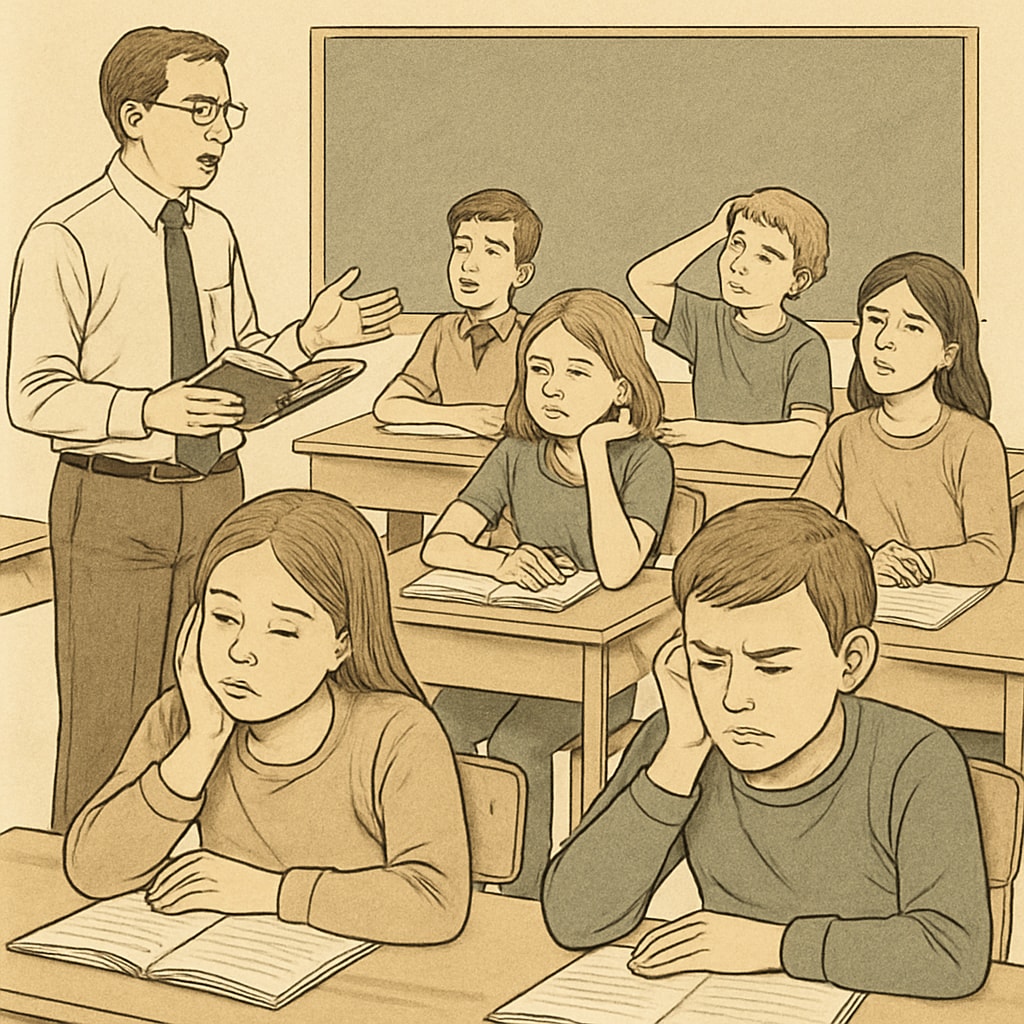
Several studies have identified common factors that lead to boredom in educational settings. These include repetitive teaching methods, lack of real-world relevance in curriculum content, and minimal student autonomy in learning activities. For example, a study published in the Britannica overview on education found that students often disengage when lessons fail to connect with their interests or when teachers rely heavily on lecture-based instruction.
In addition, cultural and systemic factors play a role. In some countries, rigid educational structures emphasize rote memorization and standardized testing, which can stifle creativity and curiosity. As a result, students may perceive learning as a chore rather than an opportunity for growth.
The Impact of Boredom on Learning Outcomes
Boredom in education has far-reaching consequences. Studies reveal that disengaged students are more likely to experience lower academic performance, reduced motivation, and even behavioral issues. According to educational psychology research, prolonged boredom can lead to a negative perception of education itself, ultimately affecting career aspirations and lifelong learning habits.
Furthermore, boredom can influence mental health. Students who consistently feel unengaged may experience higher levels of stress and anxiety, as they struggle to find meaning in their academic pursuits. This underscores the importance of addressing boredom not just as an academic issue but as a holistic challenge impacting emotional well-being.
Solutions to Combat Boredom in Classrooms
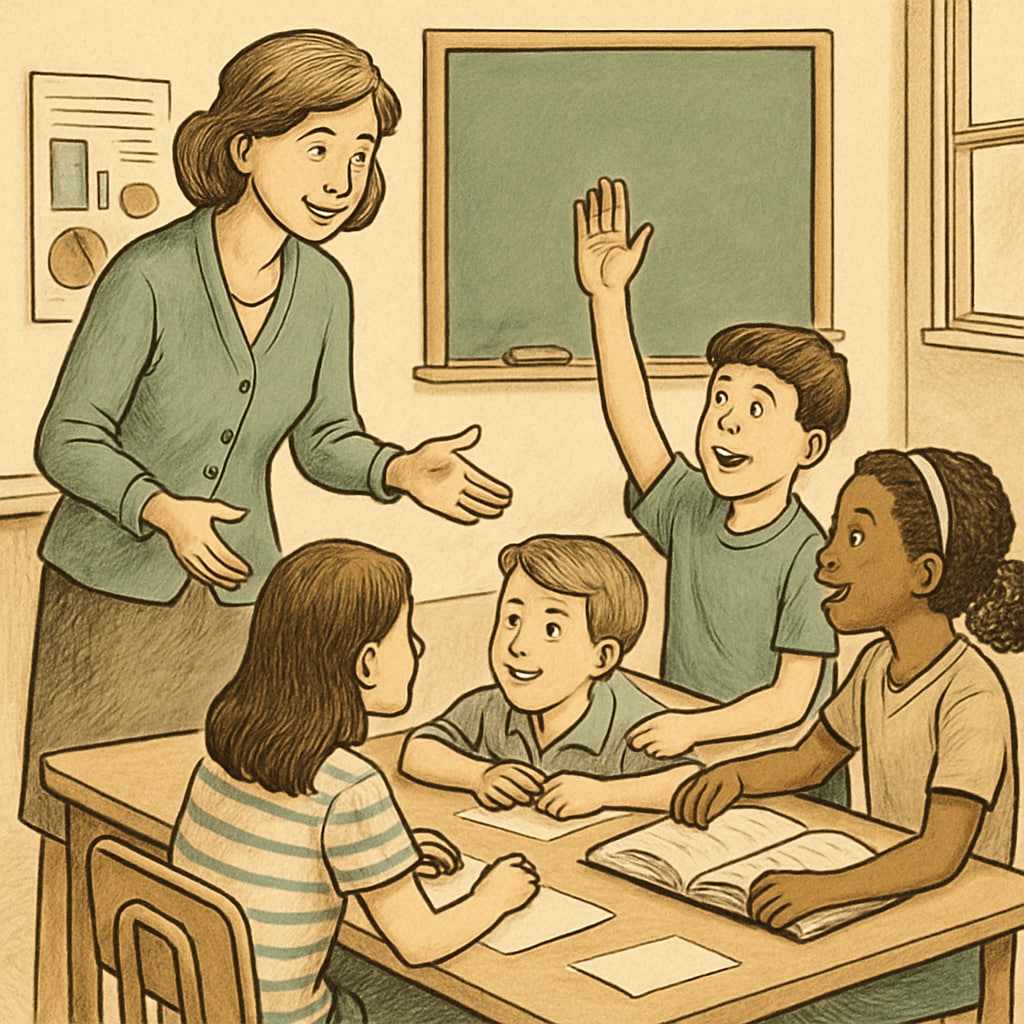
To mitigate boredom, educators and policymakers must adopt strategies that prioritize engagement and relevance. Key solutions include:
Incorporating interactive and hands-on activities, such as group discussions, projects, and technology-based tools, can make lessons more engaging. Relating academic subjects to practical applications helps students see the value of their education in everyday life. Allowing learners to choose topics or methods for completing assignments fosters a sense of ownership and motivation. Providing professional development on innovative teaching techniques equips teachers to better address student needs.
Additionally, schools can foster a supportive environment by reducing excessive focus on standardized testing and promoting creativity and critical thinking. Collaboration between educators, parents, and students is essential to ensure these strategies are effectively implemented.
Conclusion: Rethinking Education for Global Impact
While student boredom in classrooms is a universal challenge, it also presents an opportunity to rethink traditional educational models. By addressing its root causes, educators can create learning environments that inspire curiosity and engagement, ultimately benefiting students’ academic achievements and personal growth. As research continues to shed light on this issue, implementing evidence-based solutions can pave the way for a more dynamic and inclusive future in education.
As a result, understanding and tackling student boredom is not just an academic pursuit—it is a global imperative for creating thriving, inspired learners.

