


As society rapidly evolves, the demands placed on modern education are undergoing a profound transformation. The interconnected forces of Educational Reform, Value Diversification, and Technological Change are reshaping what it means to prepare students for an uncertain future. Traditional models, rooted in memorization and standardized testing, now collide with the realities of a world defined by information overload, automation, and global interconnectedness. Understanding these tensions within K–12 education is essential for fostering adaptable, thoughtful, and innovative young learners.
From Content Delivery to Inquiry: Modernizing Teaching for a Digital Era
For decades, classrooms relied on teacher-led instruction, textbooks, and structured recall. But the digital age has fundamentally altered how students access and interact with information.
Today’s learners face:
- Abundant online resources
- Multifaceted, multimedia content
- Constant digital communication
- Rapid shifts in technological tools
This environment demands new instructional approaches.
Inquiry-Driven Learning
Instead of passively receiving information, students benefit from exploring questions, testing ideas, and collaborating with peers. This builds critical thinking and deep conceptual understanding.
Digital Literacy as a Core Skill
Modern education must help students:
- Evaluate online sources
- Use digital tools for research
- Understand ethical technology use
- Analyze data and information systems
These competencies go far beyond using devices—they shape students’ ability to navigate and contribute to a rapidly changing world.
Technology as a Catalyst for Innovation
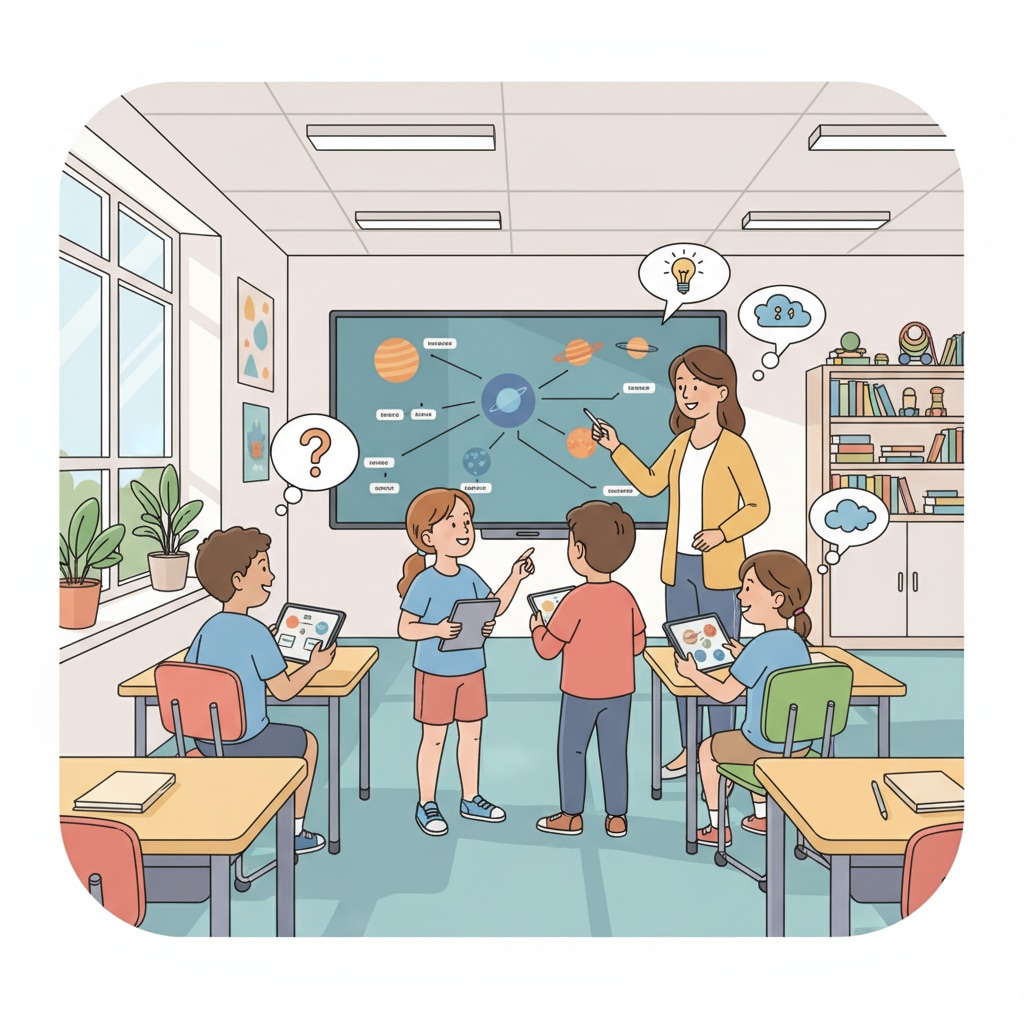
Tools like interactive screens, tablets, online simulations, and coding platforms allow students to learn through creation and experimentation. They foster curiosity and help bridge academic content with real-world application.
Expanding What “Success” Means: The Role of Value Diversification
A single, rigid value system—focused narrowly on grades and exam performance—no longer meets the needs of an interconnected, multicultural world. Value diversification in education encourages a broader and more human-centered approach to student development.
Holistic Skills for Modern Life
Students need more than academic achievement. Schools must also cultivate:
- Creativity
- Socio-emotional intelligence
- Ethical reasoning
- Communication and collaboration
- Global and cultural awareness
These skills help students navigate complexity with empathy and confidence.
Multiple Perspectives Drive Innovation
Exposure to different cultures, histories, and worldviews expands children’s thinking. It encourages curiosity and challenges assumptions—both essential for creative problem-solving in diverse workplaces.
Redefining Educational Success
Success becomes not just “high achievement,” but:
- Personal growth
- Responsible citizenship
- The ability to adapt
- Resilience in the face of change
This broader definition helps students become not only knowledgeable, but capable and emotionally grounded individuals.
Integrating Tradition and Innovation: A Balanced Approach to Reform
The future of education is not about choosing between old and new—it’s about blending the strengths of both.
Preserving Foundational Knowledge
Basic literacy, numeracy, and structured reasoning remain essential. These provide the scaffolding for deeper exploration.
Adding Technological and Creative Depth
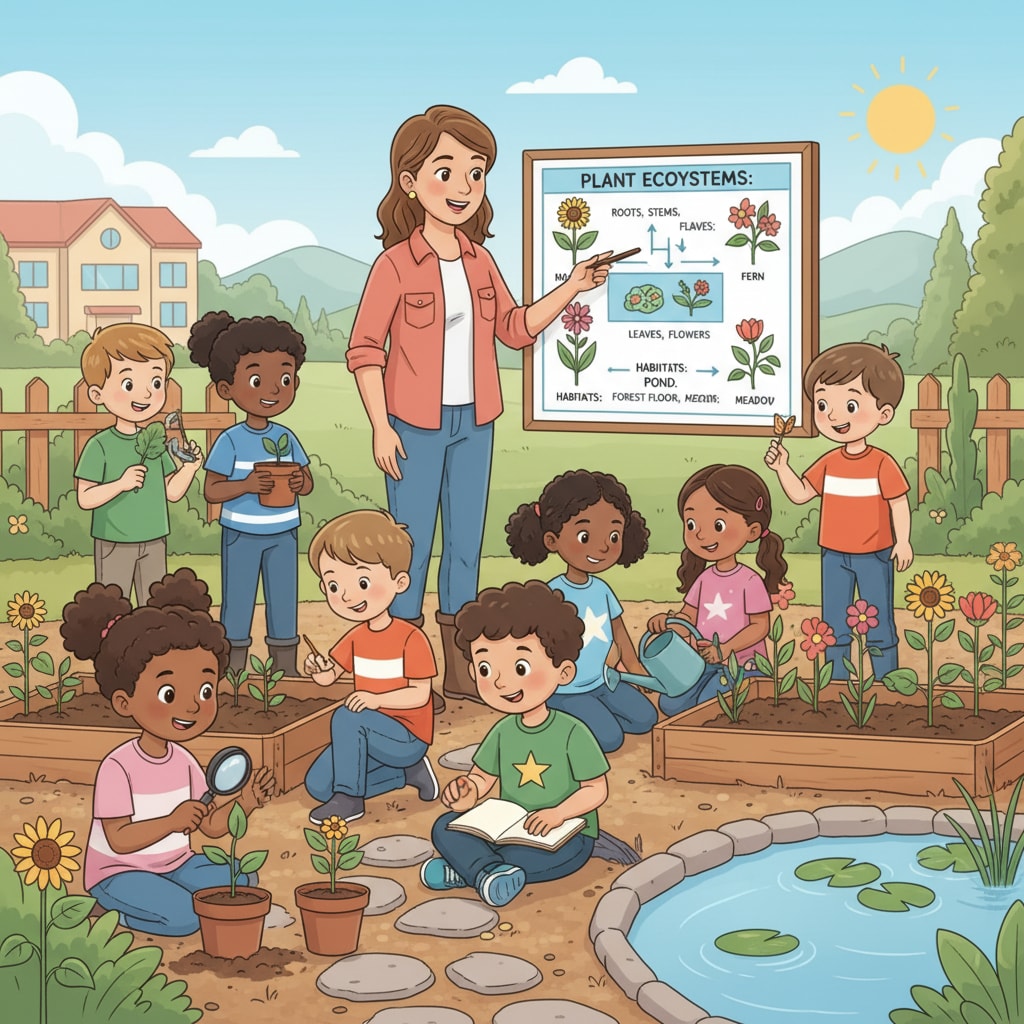
Project-based learning, digital collaboration, and design thinking help students apply knowledge in meaningful ways.
Supporting Educators Through Professional Development
Teachers need ongoing training to:
- adapt to new technologies
- design experiential learning opportunities
- support diverse learners
- integrate socio-emotional development into instruction
When educators thrive, students benefit.
Building an Inclusive and Future-Ready Ecosystem
Meaningful educational reform requires collaboration among families, teachers, policymakers, and communities. Together, they define what skills and values matter in a digital, globalized world.
Conclusion: Preparing Students to Shape the Future
Through thoughtful Educational Reform, Value Diversification, and Technological Change, we can create learning environments that prepare children not just to succeed academically—but to thrive as ethical, adaptable, and innovative contributors to society. By embracing both tradition and transformation, schools can empower the next generation to navigate uncertainty with confidence and purpose.
About Think Academy Canada
If you’re exploring new ways to support your child’s learning in a rapidly changing world,
Think Academy Canada offers free math support for Grades 1–12, including:
- Free online evaluation (G1–G12) with a personalized report
- Free small-group trial class to experience our interactive teaching approach
- Curriculum-aligned lessons designed to build critical thinking and long-term confidence
Visit our Math Evaluation and Free Trial Class pages to help your child build future-ready skills with expert guidance.

