The journey of seleChoosing a private kindergarten is one of the first major decisions parents make in their child’s educational journey. The process often brings a familiar tension: balancing private school quality, commute time, and overall school choice. A school may offer an exceptional learning environment, but if it requires daily long-distance travel, the impact on family well-being can be significant. Understanding how to evaluate both sides, academic excellence and daily logistics, helps families make thoughtful, sustainable decisions.
What Defines a High-Quality Private School?
When exploring private school options, academic excellence is only one part of the equation. A truly high-quality kindergarten provides a combination of strong learning environments and child-centred practices.
1. Curriculum and Teaching Philosophy
Does the school follow Montessori, Reggio Emilia, inquiry-based, or play-based learning?
Choose the approach that matches your child’s personality and learning style.
2. Teacher Expertise & Student-Teacher Ratios
Certified early childhood educators and small class sizes allow for individual attention and emotional support.
3. Environment, Facilities, and Resources
Safe outdoor areas, well-designed classrooms, early literacy corners, and hands-on materials all enrich the learning experience.
4. School Culture and Parent Community
A positive, inclusive school culture encourages confidence and social development—essential for young learners.
5. Enrichment Opportunities
Art, music, foreign languages, or early STEM programs expand creativity and curiosity.
These factors often lead parents to consider schools outside their immediate neighbourhood, which introduces the question of commute feasibility.

Why Commute Time Matters in School Choice
Academic quality is important, but commute time directly affects everyday life. For young children, long commutes can have significant emotional and physical impacts.
1. Child Well-Being and Daily Energy Levels
Kindergarten-aged children need stability, sleep, and unstructured play.
A long commute may reduce rest time or lead to fatigue and irritability.
2. Parent Schedules and Stress Levels
Traffic, weather, and inflexible timing can make mornings stressful and affect work–life balance, especially for dual-working households in Canada.
3. Logistical and Seasonal Challenges
Canadian winters, parking situations, and busy intersections all add unpredictability to the school run.
4. Financial Impact of Longer Commutes
Fuel, vehicle wear, and possibly extended childcare hours can increase monthly costs.
5. Community Engagement Barriers
A distant school may make it harder for families to attend events, meet teachers, or participate in school-life activities.
Understanding these commute-related realities helps parents evaluate whether the school’s benefits outweigh the daily demands.
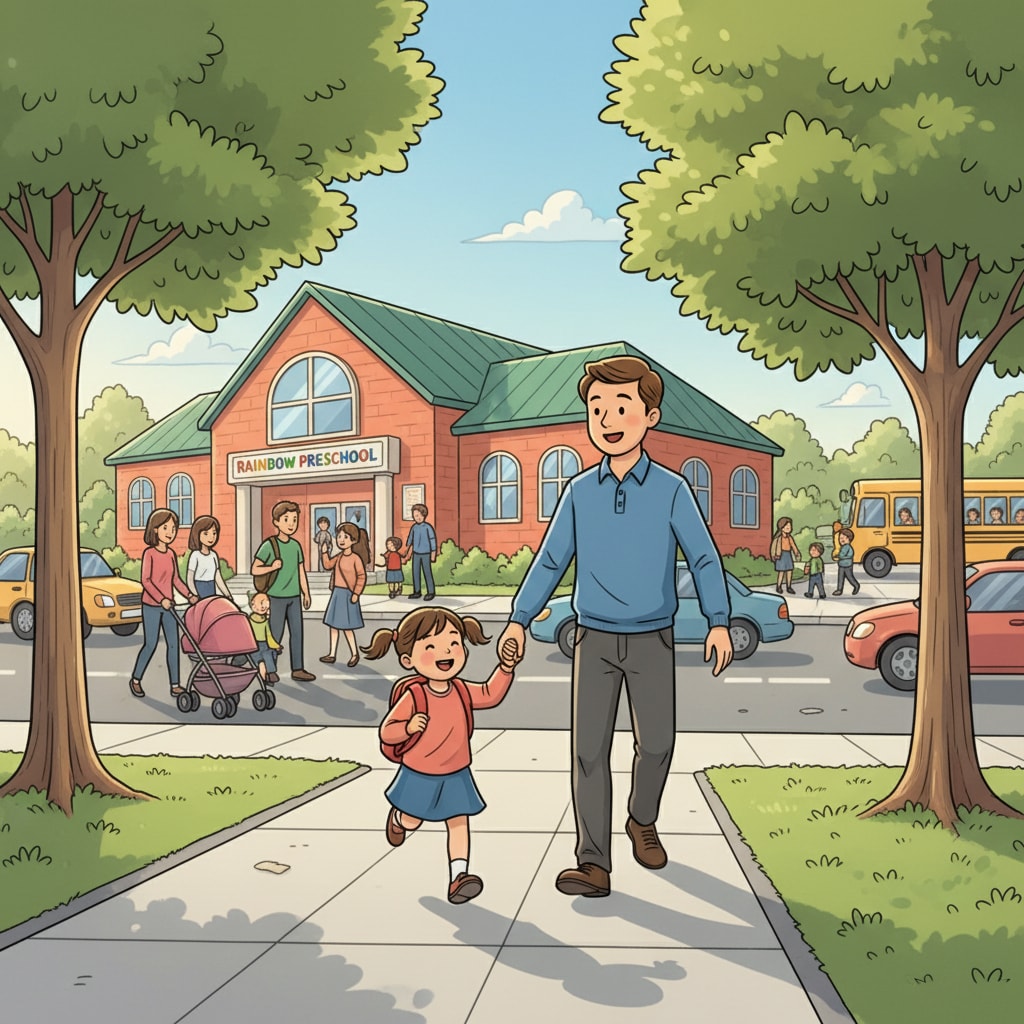
How to Balance Private School Quality and Commute Time
Every family’s situation is unique. The best choice is not necessarily the closest school, nor the most prestigious one, it’s the school that fits both your child and your family’s long-term routines.
1. Clarify Your Family’s Priorities
List what matters most: teaching philosophy, class size, inclusion, commute, or community.
This prevents decision fatigue and keeps the process grounded.
2. Visit and Observe Multiple Schools
Watch classroom interactions, speak with teachers, and connect with current parents for firsthand insights.
3. Test the Real Commute
Drive or take public transit at actual drop-off times.
A “20-minute drive” often becomes 40 minutes during peak hour.
4. Consider Your Child’s Temperament
Some children enjoy car rides or transitions; others become tired or stressed easily.
Their needs should guide your decision.
5. Explore Creative Solutions
Carpools, shared schedules, and flexible work arrangements can make a longer commute more manageable.
6. Think Long-Term (Not Just Kindergarten)
Will the commute still work when your child is in Grade 2?
Or if family circumstances change?
A balanced decision supports your child’s academic growth while protecting your family’s overall well-being.
Conclusion: Making a Sustainable School Choice
Balancing private school choice, commute time, and family well-being is a deeply personal process. By evaluating both the educational benefits and the daily realities, families can find a school where their child can thrive, without overwhelming the household routine.
A thoughtful decision today creates a smoother, happier educational journey in the years ahead.
About Think Academy Canada
If you’re exploring private school options and want a clearer picture of your child’s academic readiness,
Think Academy Canada offers two free ways to support your decision:
- Free online math evaluation (Grades 1–12): Get a personalized report on your child’s current level, strengths, and learning gaps, with recommendations aligned to Canadian curriculum standards.
- Free small-group trial class: Let your child experience our live, interactive lessons and teaching style before you commit to a longer program.
Visit our Math Evaluation page and Free Trial Class page to support your child’s long-term learning plan with confidence.