As parents, supporting a child’s education often means looking beyond daily homework. Questions about class sizes, learning outcomes, and long-term opportunities naturally come up—but the broader education system can feel hard to interpret.
This is where education data becomes useful. While it doesn’t describe individual students, national data helps parents understand how Canada’s education system is changing over time. When used thoughtfully, it provides context that supports better conversations with schools and more informed decisions at home.
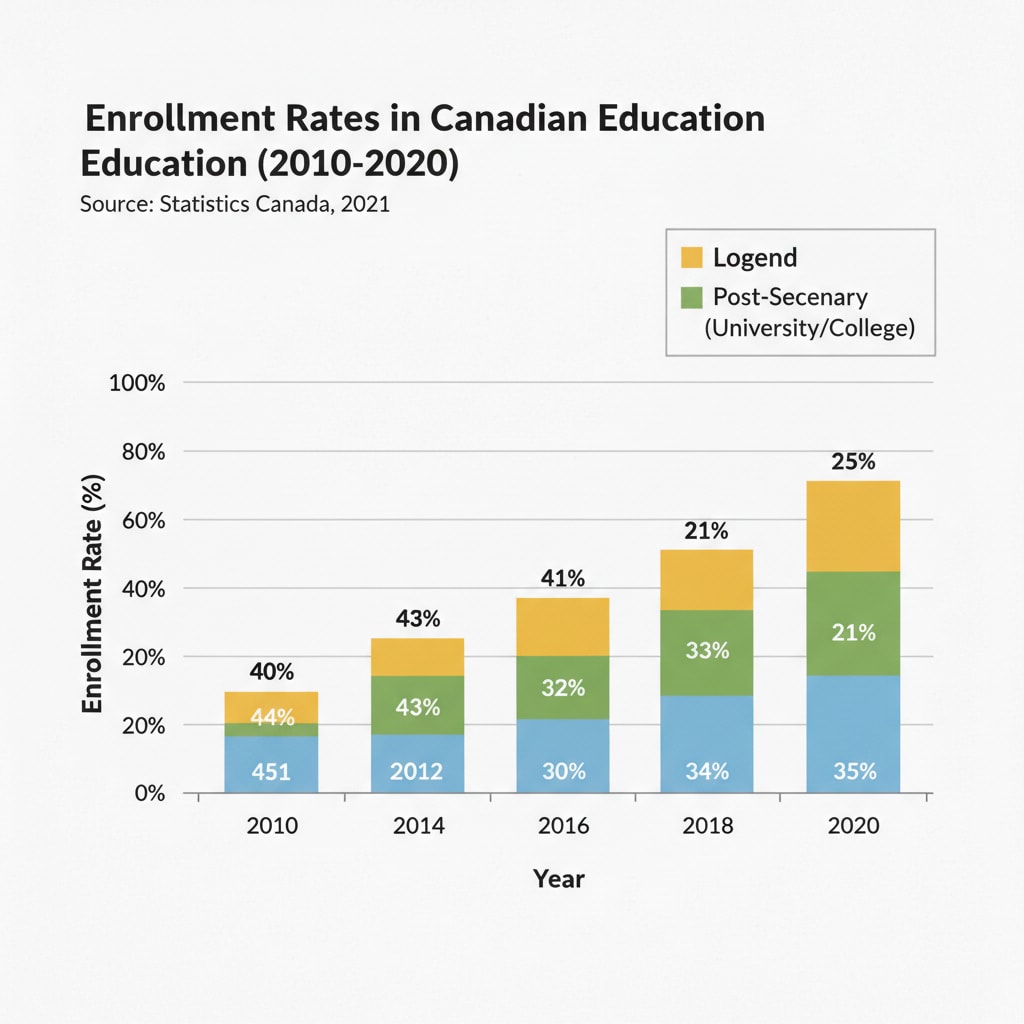
What Statistics Canada Tracks—and What It Means for Families
Statistics Canada (often referred to as StatCan) collects education data across provinces and territories to help Canadians understand long-term trends. For parents, this data is not about ranking schools or predicting outcomes. Instead, it answers broader questions about how students move through the system.
Student Enrolment Trends
Statistics Canada tracks enrolment across public, private, and early learning settings. Changes in enrolment—such as shifts in kindergarten or elementary numbers—can help explain why schools experience pressure on space, staffing, or resources. While these trends don’t define an individual classroom, they help parents understand the bigger picture.
Graduation and Post-Secondary Pathways
Data on high school completion and transitions to college or university shows how students progress overall. For families with older children, this information can support discussions about different post-secondary options without framing any single path as the “right” one.
Early Childhood Education Participation
Statistics on preschool and licensed childcare participation highlight access to early learning across Canada. Since early experiences often influence confidence and learning habits later on, this data is especially relevant for parents of younger children.
Literacy and Numeracy Trends
National and international assessments contribute to insights about literacy and numeracy development. For parents, these trends serve as signals rather than diagnoses—prompting awareness and attentiveness rather than concern about individual performance.

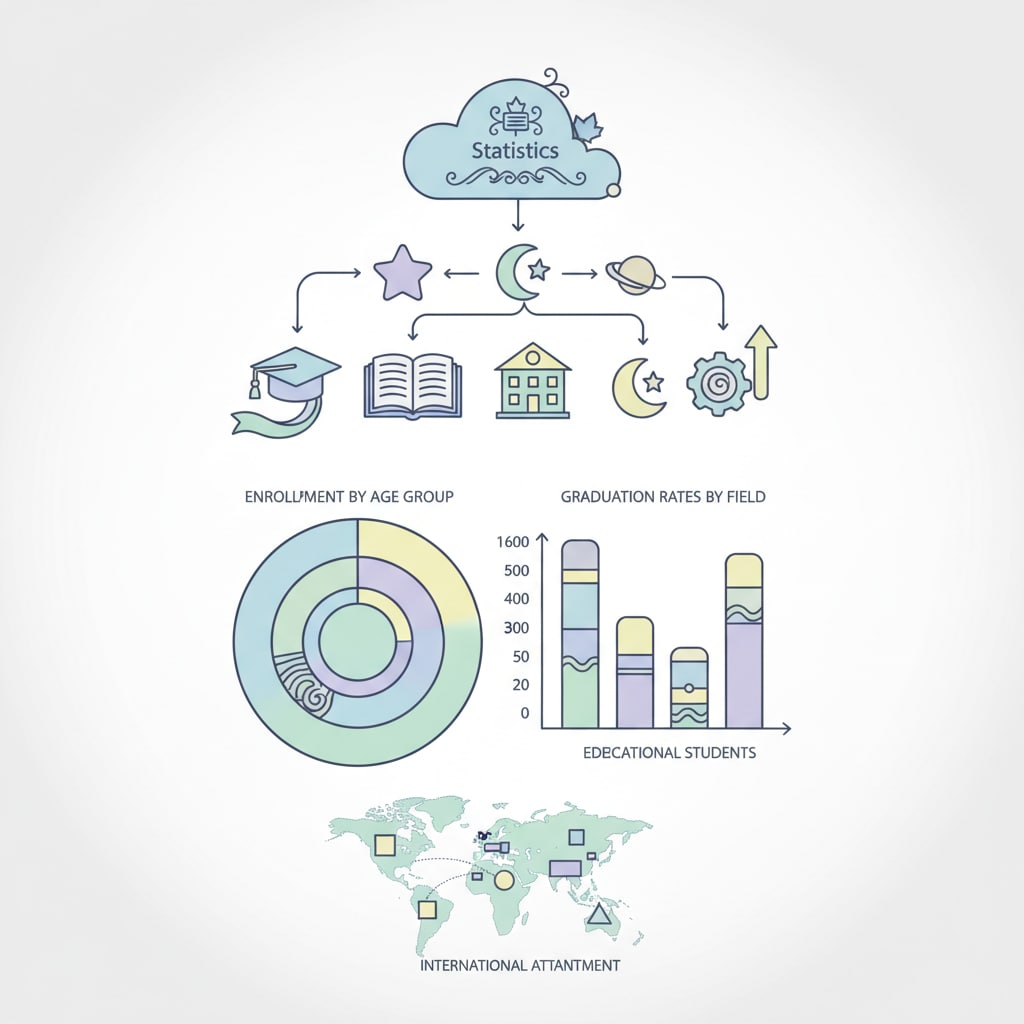
Using Education Data in Practical Ways
Education data is most helpful when it informs—not overwhelms—parent decision-making. Parents may use this information to:
- Better understand curriculum or assessment changes
- Participate more confidently in school council or board discussions
- Ask informed questions when policies shift
- Contextualize their child’s learning experience over time
How Data Connects to Education Policy
Education policies are often shaped by data. Provincial ministries use statistical evidence when adjusting curriculum priorities, funding models, or assessment approaches.
In Ontario, the Ontario Ministry of Education publishes curriculum documents and policy updates that reflect both provincial goals and broader data trends. At the national level, the Council of Ministers of Education, Canada (CMEC) helps coordinate long-term priorities across provinces, drawing on shared research and statistics.
Understanding this connection helps parents see why changes happen—even when they feel sudden at the classroom level.
Navigating Educational Policies and Their Impact
Education data is not just for understanding the past; it’s a critical tool for shaping the future of learning. Educational policies, which dictate everything from curriculum design to school funding, are often heavily influenced by the statistics gathered by organizations like StatCan. Therefore, staying informed about how these policies are developed and implemented is essential for parents.
When you see new policies proposed or implemented, consider how they align with existing data. For example, if data suggests a growing need for skills in science, technology, engineering, and mathematics (STEM), you might see new provincial policies or funding initiatives aimed at enhancing STEM education programs. These policy shifts can directly affect the learning opportunities available to your child.
Understanding these connections allows you to anticipate changes and prepare your child accordingly. Many provincial Ministries of Education regularly release policy updates and reports that are often grounded in statistical findings. For instance, the Ontario Ministry of Education provides detailed information on curriculum and policy developments. By monitoring these official sources, parents gain a clearer picture of the evolving educational landscape.
Moreover, federal initiatives also play a role, often influencing provincial decisions through funding or national frameworks. The Council of Ministers of Education, Canada (CMEC), for example, facilitates interprovincial cooperation on educational matters, and their reports often draw on national statistics. By understanding the interplay between data, policy, and these various governmental bodies, you can better navigate the system and advocate effectively.
Staying informed means keeping an eye on reputable news sources and official government websites, which often translate complex data and policy into understandable terms. This proactive approach helps parents not only react to changes but also to engage meaningfully in discussions about the future of education in Canada, ensuring their voices are heard.
Keeping the Focus on Your Child
While education data provides valuable context, it should never replace an understanding of your own child. Statistics describe systems; children learn individually.
The most balanced approach combines:
- Awareness of broader education trends
- Ongoing communication with teachers
- Attention to a child’s confidence, habits, and progress
Data informs perspective. Parents provide insight.
Sources
Official and reputable sources were consulted to ensure accuracy and verifiability of information:
- Statistics Canada: Education and training statistics portal
- Council of Ministers of Education, Canada (CMEC)
- Ontario Ministry of Education
- Britannica: Public Policy
- Wikipedia: Education in Canada
About Think Academy
Think Academy, part of TAL Education Group, shares education-focused resources to help families better understand how children learn and progress within the Canadian education system. Our approach emphasizes conceptual understanding, structured practice, and consistent learning routines, alongside timely learning feedback that helps parents better understand their child’s development over time.
For families who want a clearer picture of their child’s current math level, Think Academy provides information about free online math evaluations, which highlight strengths and learning gaps in a structured way. Parents interested in understanding instructional style and classroom experience can also explore trial class options, offered as optional tools to support informed decision-making.
Want more insights into math learning and parenting? Subscribe to our newsletter for weekly tips and the latest resources.