Parents across Canada often seek reliable information to navigate the complex educational landscape. Understanding policies, curriculum changes, and teaching philosophies helps you support your child effectively. While the Canadian Education Association (CEA) ceased operations in 2012, the need for comprehensive Canadian Education Association insights remains paramount for families invested in their children’s success. This article will explore the valuable perspectives this historic organization offered and guide you to contemporary sources for similar crucial information.

The Enduring Relevance of Canadian Educational Insights
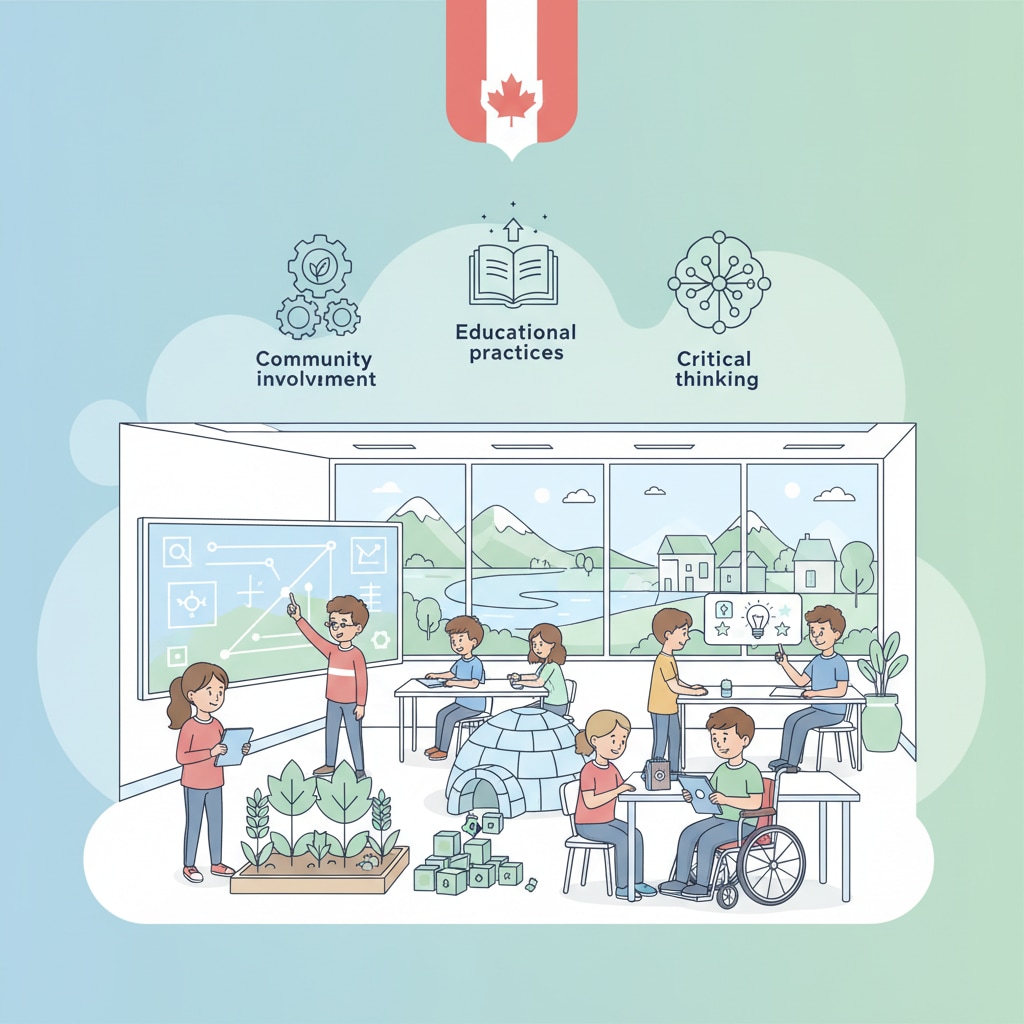
The Canadian Education Association (CEA) served as a vital forum for over a century, bringing together educators, policymakers, and researchers from across the country. It facilitated dialogue on critical educational issues, ranging from curriculum development to equitable access. The organization’s extensive publications and conferences offered crucial insights into the evolving needs of Canadian students. These insights often highlighted best practices and emerging trends, helping to shape policy discussions nationwide. Therefore, its historical work continues to offer valuable context for understanding today’s educational challenges.
One significant aspect of the CEA’s work involved researching and disseminating findings on educational innovations. For instance, it explored effective teaching methodologies and student assessment strategies, which ultimately influenced provincial approaches. Parents could gain a broader perspective on their children’s school system by understanding these national discussions. The CEA’s commitment to sharing research helped foster a more informed public discourse about education, promoting a shared understanding of common goals and challenges. This historical context underscores the ongoing importance of evidence-based educational insights for all stakeholders.
Accessing Current Canadian Education Association Insights
While the Canadian Education Association (CEA) is no longer active, the spirit of its mission lives on through various contemporary bodies and research initiatives. Today, several organizations and government entities provide essential perspectives on Canadian education policy and practice. Parents can access a wealth of current, authoritative information to stay informed. These resources offer detailed analyses of curriculum changes, funding models, and student performance data across provinces and territories. They empower parents to advocate effectively for their children’s educational needs.
The Council of Ministers of Education, Canada (CMEC) is a key intergovernmental body that coordinates educational policies and programs among provinces and territories. Their publications provide high-level overviews of national educational goals and achievements, offering a macro perspective on system-wide initiatives. For specific provincial insights, each province’s Ministry of Education website is an indispensable resource. For example, the Ontario Ministry of Education provides detailed curriculum documents, policy guidelines, and information on student assessments like the Education Quality and Accountability Office (EQAO) results. These resources help parents understand the standards and expectations within their local school boards.
Independent research organizations also contribute significantly to the pool of current educational insights. Organizations like People for Education, particularly active in Ontario, conduct in-depth research on public education trends and policy impacts. They publish annual reports and policy briefs that often address issues pertinent to parents, such as class sizes, arts education, and special education funding. Moreover, Statistics Canada offers comprehensive data on various aspects of Canadian education, including enrolment, graduation rates, and post-secondary outcomes. Therefore, by consulting these diverse sources, parents can gain a holistic and up-to-date understanding of the educational landscape.
Making Sense of the Information as a Parent
With so many sources available, parents don’t need to follow every policy update. Instead, it helps to focus on a few key questions:
- What is my child expected to learn at their grade level?
- How is progress assessed in my province?
- Where can I find research-based perspectives when questions arise?
Understanding where information comes from—and how today’s resources differ from past organizations like the CEA—allows parents to engage with education topics more confidently and critically.
About Think Academy
Think Academy, part of TAL Education Group, helps K–12 students succeed in school today by building strong math foundations and critical thinking skills. In addition to articles and parent guides, Think Academy emphasizes clear learning structure and timely feedback, helping parents gain a more accurate picture of their child’s strengths, learning habits, and areas for growth.
For families who would like a more concrete understanding of their child’s current math level, Think Academy provides information about a free online math evaluation, which highlights skill development and learning gaps in a structured way. Parents who are curious about instructional style and classroom experience can also explore trial class options, designed to help families observe how concepts are taught and how students engage with problem-solving in real lessons.
These evaluation and trial options are offered as optional tools to support informed decision-making, complementing the broader education insights shared throughout the Think Academy Blog.