Watching your child freeze up or lose confidence when math homework appears can be worrying, especially when it happens again and again. Many Canadian parents of children aged 4–12 encounter math anxiety, a challenge that can affect both performance and self-esteem.
Math anxiety is not a lack of ability. In many cases, children understand the concepts but struggle under pressure or fear making mistakes. The good news is that with the right support at home, parents can help reduce anxiety and rebuild confidence. This guide shares practical, Canada-focused strategies to help children approach math with greater calm, confidence, and curiosity.
Recognizing the Signs of Math Anxiety
Math anxiety often shows up in subtle ways. Some children complain of stomachaches before math class, avoid homework, or become unusually frustrated during math-related tasks. Others may say things like “I’m bad at math” or shut down when numbers are involved.
What’s important to understand is the difference between difficulty and anxiety. A child who struggles conceptually may need clearer explanations or more practice. A child with math anxiety, however, may understand the material but feel overwhelmed when asked to apply it—especially in timed or evaluative situations.
Pay attention to how your child reacts during everyday number-related activities, such as:
- Completing math homework or worksheets
- Playing board games that involve counting or scoring
- Measuring ingredients while cooking
Changes in posture, tone, or willingness to engage can offer valuable clues. Learning more about this topic can help parents better understand the emotional side of math learning.
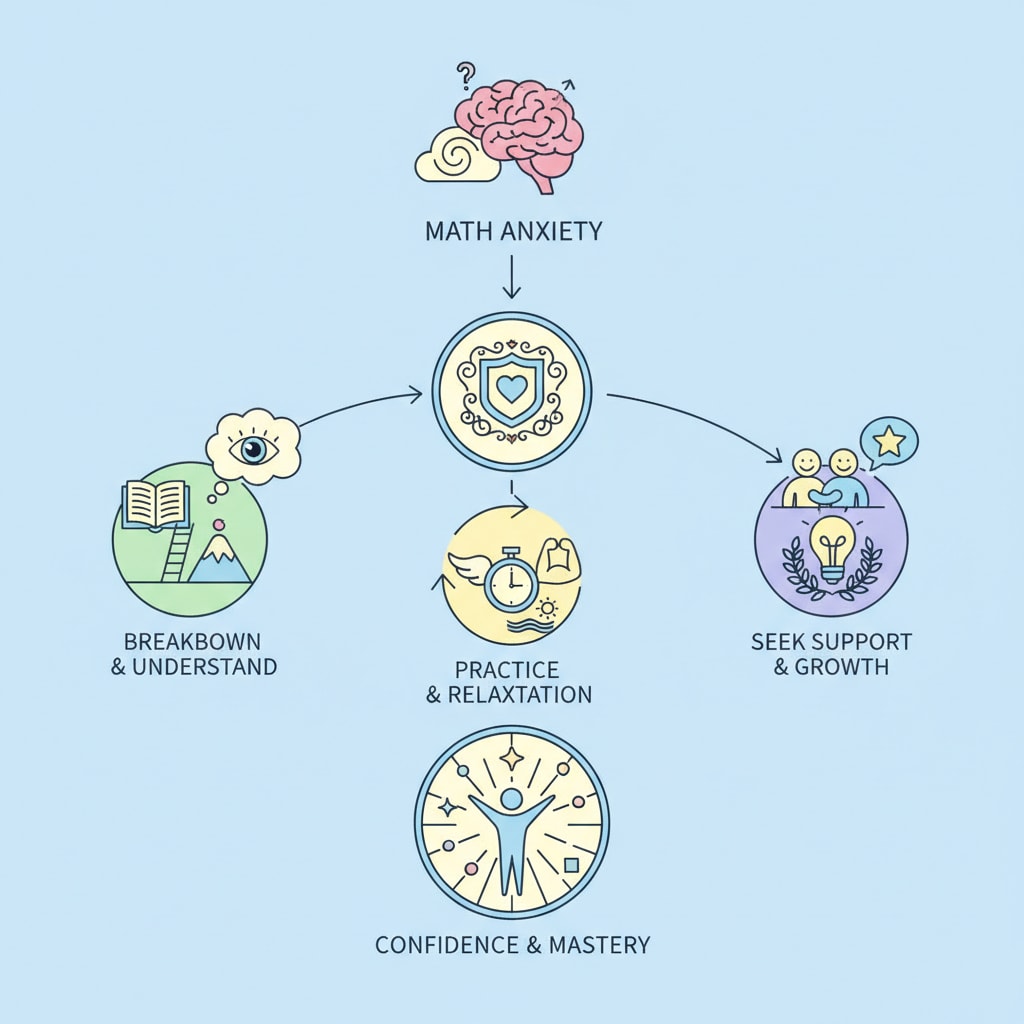
Creating a Supportive Home for Dealing with Math Anxiety
A calm and supportive home environment can significantly reduce math-related stress. One of the most effective steps parents can take is to normalize mistakes. Let your child know that errors are part of learning, not a sign of failure.
In Canadian elementary classrooms, especially in the early grades, math homework often focuses on building number sense through short exercises, home practice, or simple problem-solving tasks. At home, you can support this by:
- Encouraging your child to explain their thinking, even if the answer is incorrect
- Asking “What did you try?” instead of “Why is this wrong?”
- Celebrating effort and persistence rather than speed
It’s also helpful to integrate math into daily routines in low-pressure ways. Counting change, estimating grocery totals, or measuring ingredients during cooking all help children see math as useful and manageable.
Avoid sharing your own negative experiences with math. Children often absorb adult attitudes quickly, and even casual comments like “I was never good at math” can reinforce anxiety.
Practical Strategies for Building Math Confidence
When your child becomes frustrated, resist the urge to immediately step in with solutions. Instead, practice active listening. Asking questions such as “Which part feels confusing?” or “What do you think the next step could be?” helps children feel supported without taking away their independence.
Breaking tasks into smaller steps can also make a big difference. Multi-step problems often feel overwhelming, but tackling them one piece at a time builds confidence and momentum.
Hands-on tools are especially effective for children aged 4–12. Using blocks, counters, drawings, or visual models can turn abstract ideas into something concrete and easier to understand. These approaches align well with how math is taught in many Canadian elementary classrooms.
Encourage reflection once homework is finished. Asking your child what felt easy or challenging helps shift the focus from results to learning processes and builds self-awareness over time.

Using Resources Thoughtfully
The right resources can support learning when used intentionally. Interactive games, visual explanations, and short practice sessions can help reinforce skills without adding pressure.
Canadian parents may find value in:
- Free online resource such as math worksheets from Think Academy for practice and review
- Local libraries for math games, puzzles, and workbooks
- School board resources focused on learning at home
Organizations like School Mental Health Ontario and the Canadian Psychological Association also provide research-informed guidance on supporting children’s emotional well-being and motivation.
Supporting Long-Term Confidence
Reducing math anxiety takes time. Progress often comes in small steps: fewer tears, more willingness to try, or increased confidence in explaining ideas. These changes matter.
Focus on consistency rather than perfection. When children feel supported, understood, and encouraged, math becomes less threatening and more approachable. Over time, confidence grows—not just in math, but in problem-solving more broadly.
About Think Academy
Think Academy, part of TAL Education Group, shares education-focused resources to help families better understand how children learn math and build effective study habits. Our approach emphasizes conceptual understanding, structured practice, and consistent learning routines, supporting both skill development and confidence.
An important part of our work is providing timely learning feedback. Through structured observations and progress summaries, parents gain clearer insight into how their child is learning, where progress is being made, and which areas may benefit from additional support.
For families who would like a clearer picture of their child’s current level or wish to experience our teaching approach, Think Academy also provides free online math evaluations and free trial classes. Take our free Math Evaluation and trial class to find your child’s strengths and learning needs.
Want more insights into math learning and parenting? Subscribe to our newsletter for weekly tips and the latest resources.